
|
September 2026 |

Practical things you can do this week · for nonprofits that run programs.
|
| |
|
Grant spotlight
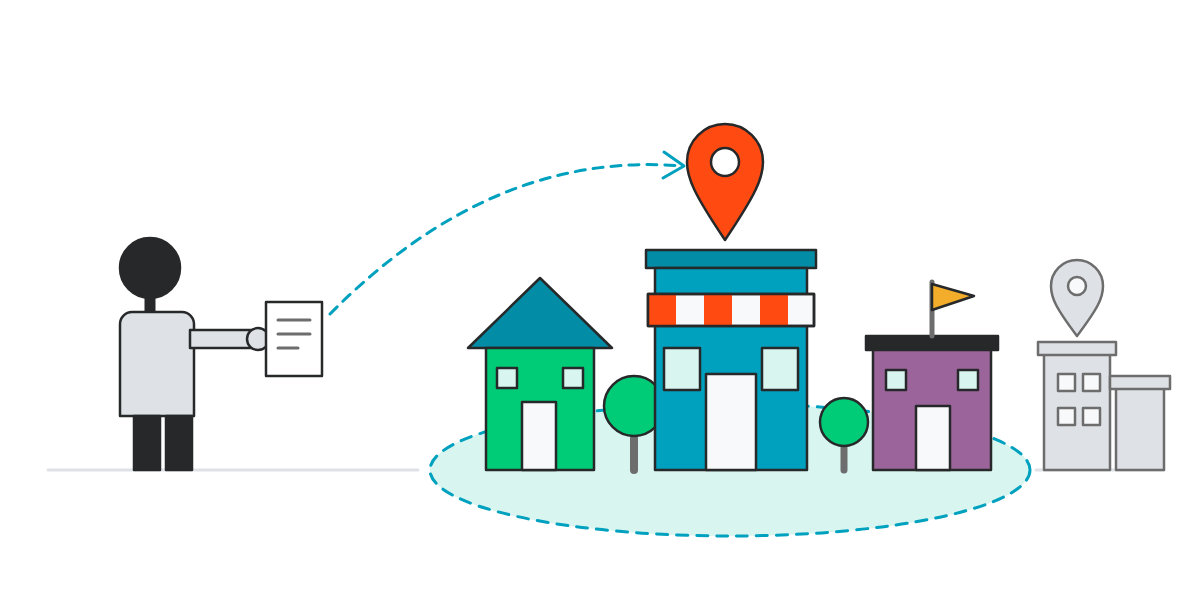
Up to $5,000 from your local Walmart, and the window shuts November 30
Walmart's Spark Good Local Grants run $250 to $5,000. The cycle open now is their third, August 1 to November 30, and it is the last one of their financial year.
Start the account before you start the application. You need a Spark Good account on Walmart.com/nonprofits, and it has to be verified by Deed, the outside partner Walmart uses to check who you are. That step is not instant, so it is a poor thing to discover in the last week of November.
The condition people miss is that you apply to a store, not to Walmart. In their words, organizations must "serve the same service area that the facility they are requesting funding from serves." So pick the store or club your families actually walk into, and say how you serve that community.
See the grant page
|
|
|
|
Your 990 extension is due November 16 this year, not the 15th
If your year ends December 31, your Form 990 was due May 15 and an extension carries it to November 15. That date falls on a Sunday in 2026, and the IRS delays a due date landing on a Saturday, Sunday or legal holiday until the next business day. So this year it is Monday, November 16.
One extra day, and only useful if you know about it. Check what your bookkeeper or your accountant has in the calendar, because a plan built around a Sunday deadline usually means filing on the Friday.
The IRS due dates
|
If you serve veterans, DAV's next window is October 1 to October 30
The DAV Charitable Service Trust opens and closes its cycles on the first and last business days of January, April, July and October, which puts the next one at Thursday October 1 to Friday October 30. Check one thing before you spend the afternoon on it: an applicant "may receive consideration only once per twelve (12) months," so look up when you last applied.
The grant cycles
|
|
|
You can get your federal ID without doing the whole registration, and nobody should charge you for it
Any federal grant sends you to SAM.gov, and most people assume that means the full registration. It does not. SAM.gov says you can get a Unique Entity ID for your organization "without having to complete a registration," and for the ID on its own "you only need to provide your legal business name and physical address."
If you do need the full registration, start it early. SAM.gov's own warning is that registration "can take up to 10 business days to become active," which is longer than most people leave themselves.
Then there is the part worth the most to a small organization, and it is the GSA's line rather than ours: "You do not need to pay a third party to complete your registration." Companies do offer, and they are not required.
Get a Unique Entity ID
|
|
|
Your donors who do not itemize can deduct a gift again, starting with this year
From the IRS, on Tax Topic 506: "Beginning with tax year 2026, if you do not itemize, you may deduct up to $1,000 ($2,000 if filing jointly) of your cash contributions to certain qualified organizations."
Read the boundaries, because they are narrow. Cash contributions only, so no stock and no donated goods. Qualified organizations only. And the $2,000 is a joint return, not $2,000 each.
Here is why it matters in September rather than December. Most of the people who give you $50 and $100 take the standard deduction, and for years a gift bought them no deduction at all. The appeal you are about to write is the first one where that is no longer true. If your December letter carries a sentence about tax-deductible donations, it was written for the donor who itemizes, and it is now wrong for most of the people reading it.
Say it plainly and send them to their own preparer for the rest. Something like: a cash gift may now be deductible even if you do not itemize.
One claim we could not stand up, so we are leaving it out: a 0.5%-of-income floor on charitable deductions for people who do itemize, starting this year. It has been written up widely. It is not on Topic 506, which is current enough to carry the change above, so we are not repeating it until the IRS prints it.
IRS Tax Topic 506
|
|
|
Put a postal address in the footer of your email
A street address does it. So does a PO box you have registered with the Postal Service, or a private mailbox registered with a commercial mail receiving agency.
Put it wherever your footer is set, rather than deciding message by message. One line, once, and it's done.
|
|
Since you got this far: we're Argenta, and we build the all-in-one for orgs like yours: registration, waivers, deposits, rosters, volunteers, and the donors behind them. Fifteen minutes with our CEO, no hard sell.
Book a 15-minute look
|
|
|
You're getting Field Notes because you downloaded one of our guides, signed up for our list, tried Argenta at some point, or run the kind of programs we build software for. Everything above is free and yours to keep. Not useful? The unsubscribe link at the bottom works, and you won't hear from us again.
|
| |
|